Baby Keeps Waking Up After Bedtime? Here's What's Causing It & How to Fix It
Mar 25, 2026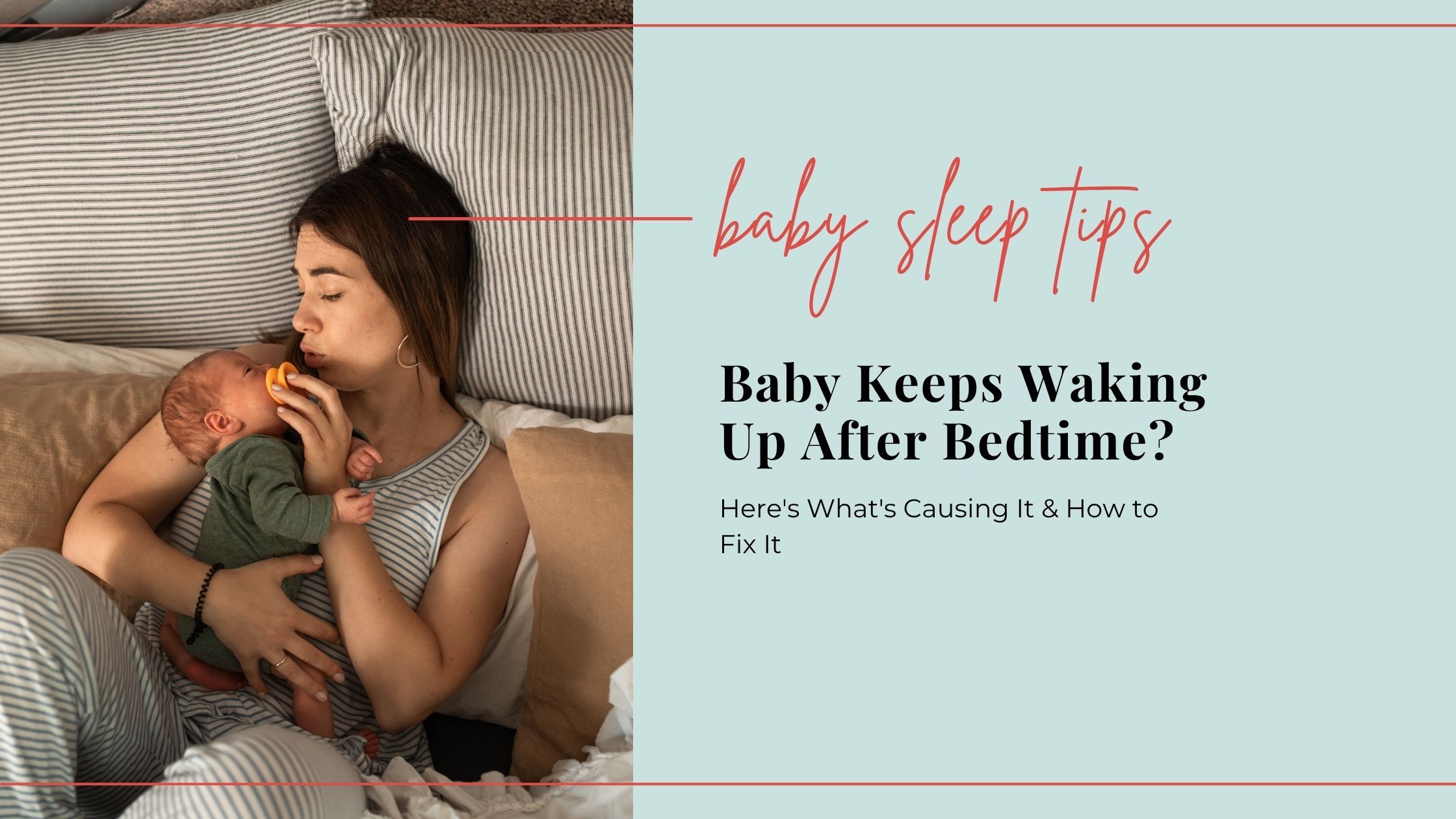
You did it. You made it through the bedtime routine, you rocked and shushed and nursed and finally (*finally*) your baby is asleep. You tiptoe out of the room, exhale for the first time in an hour, and maybe even sit down with a hot cup of tea.
And then, 30 minutes later, they're awake again.
If this sounds painfully familiar, you are not alone. What you're dealing with has a name: a false start. It’s one of the most common and most frustrating baby sleep challenges out there. The good news? Once you understand why it's happening, you can actually do something about it.
Let's talk about it.
What Is a False Start in Baby Sleep?
A false start happens when your baby falls asleep at bedtime but wakes up again after 30-60 minutes… often wide awake, sometimes upset, and frequently ready to start the whole settling process all over again.
Unlike a typical night waking, a false start happens early in the night. Your baby isn't waking because they're hungry or need a diaper change – they just need help settling again.
The frustrating part? It can throw off your entire evening. The hopeful part? It is absolutely fixable.
Why Do False Starts Happen?
Understanding the why behind false starts is the first step to solving them. Here are the most common culprits:
1. Overtiredness
This is the number one cause of false starts – and it's a sneaky one, because an overtired baby often looks like they fall asleep easily. The problem is that overtiredness causes the body to release stress hormones like cortisol to compensate for the lack of sleep. Those stress hormones make it much harder for your baby to stay asleep – which is why they wake up just 30-60 minutes after going down.
If your baby is fighting bedtime hard and then waking shortly after, shortening their wake window before bedtime may help.
2. Wake Windows That Are Off
The timing of your baby's last nap and the length of their wake window before bed plays a huge role in how well they sleep at night. A wake window that's too long leads to overtiredness. A wake window that's too short means your baby isn't tired enough to consolidate that first stretch of sleep.
Finding that sweet spot for your unique baby’s sleep needs makes an enormous difference.
3. The Sleep Environment
Your baby's sleep space matters more than most people realize. Light, noise, and room temperature can all disrupt sleep – especially during those lighter stages of the sleep cycle when your baby is most vulnerable to waking.
If your baby's room isn't dark enough, quiet enough, or cool enough, that could be contributing to those wakes.
4. Developmental Milestones
Is your baby on the verge of rolling, crawling, pulling to stand, or hitting any other big developmental leap? New skills are exciting for their brains… too exciting, sometimes. Developmental milestones can temporarily disrupt sleep as your baby's brain works overtime to process everything it's learning.
This kind of false start is usually short-lived and will usually resolve on its own in a week or so.
How to Prevent and Manage False Starts
The good news is that most false starts respond really well to a few targeted tweaks. Here's where to start:
1. Nail the Bedtime Routine
A consistent, calming bedtime routine is one of the most powerful tools in your sleep toolkit – and it's completely free.
A simple routine done in the same order every night signals to your baby's brain that sleep is coming. It doesn't need to be long or complicated. Something like:
- Dim the lights
- Diaper change, lotion and pj’s
- White noise on
- Feed
- Gentle rocking or swaying
The key is consistency. A bedtime routine's effectiveness is dose-dependent – the more consistently you do it, the more powerfully it works.
2. Adjust Nap Timing and Wake Windows
Take a close look at what's happening in the hours before bed. How long has your baby been awake since their last nap? Where they showing any signs of dysregulation before bed or were they showing they weren’t tired?
This is a great time to experiment. Try 15 minute adjustments (earlier or later depending on what you’re seeing) for 3 days or more so you can actually see if it works.
3. Optimize the Sleep Environment
Do a quick audit of your baby's sleep space and ask yourself:
- Is it dark enough? Blackout curtains are a game-changer, especially in the early morning hours and during summer months when the sun sets late.
- Is there white noise? A consistent white noise machine helps block out household sounds that might be pulling your baby out of light sleep.
- Is the temperature comfortable? Aim for slightly cool rather than warm – overheating can disrupt sleep.
Small changes to the sleep environment can make a surprisingly big difference.
4. Give Extra Support During Developmental Leaps
If your baby is in the middle of a big developmental milestone, the most important thing you can do is offer extra support and ride it out.
This is temporary. Their brain is doing incredible things – and once the leap passes, sleep usually settles back down. In the meantime, respond with warmth, offer extra comfort at bedtime, and know that this phase will not last forever.
Tip: If you’re finding this really frustrating, try flipping the script: grab headphones and an audiobook or bring your kindle while you re-settle your baby and make this *You* time instead of a disruption from your evening.
What If You've Tried Everything and the False Starts Keep Coming?
Sometimes false starts are persistent – and it feels like no matter how many tweaks you make, your baby keeps waking up shortly after bedtime night after night.
If that's where you are right now, it might be time for a more structured, step-by-step plan. And that is exactly what the 4-18 Month Gentle Sleep Guide is here for.
It walks you through my proven, truly gentle approach to better baby sleep – without sleep training, without rigid schedules, and without leaving your baby to cry it out. Inside you’ll find a clear, step-by-step plan: In one nap, I will teach you how to:
- Reduce night wakes
- Change the way you settle for sleep
- Get longer stretches of sleep (without cry it out or feber)
This 120+ page guide is designed to be read during a nap instead of searching through hours of videos.
This isn’t a sleep training program where you have to ‘do it over and over again’ or have every nap in a crib in the dark.
This is your guide to truly understanding your baby’s sleep so you can navigate sleep regressions, nap transitions, and real life without starting from scratch.
You’ll leave with a deep understanding of your baby, their unique sleep needs, and how to get more sleep for your family.
👉 Grab the 4–18 Month Sleep Guide here.
Final Thoughts
False starts are exhausting – especially when you were so close to having your evening back. But they are not permanent, and you might just need some simple tweaks.
With a little understanding of what's driving them and a few targeted tweaks, most false starts can be resolved. And if you need more support along the way, you don't have to figure it out alone.
You've got this, mama. Restful nights are closer than you think.
Free Gentle Sleep Starter Kit
Ready to start getting better sleep this week? The Free Gentle Sleep Starter Kit is for you.
Inside you'll find:
- How to use wake windows (and how not to)
- How to find your baby's unique sleep needs
- 10 easy ways to get more sleep this week